Weight Loss

Struggling to lose weight through exercise and diet? Then you’ve come to the right place for the best prescription weight loss pills. Maintaining a healthy weight is essential for long-term health and wellbeing. Some people may struggle with losing weight due to health conditions, making their best efforts at diet or exercise futile.

Prescription weight loss pills are often a last-ditch effort for people struggling to lose weight. On their own, weight can generally be reduced over a period of time, but if prescription weight loss medication is combined with a healthy diet and exercise, the results can be staggering!

Pill Bottle

Filter Your Results

[ do default stuff if no widgets ]
  • About Prescription Weight Loss Treatments

    Achieving and maintaining a healthy weight is crucial for overall well-being, but sometimes diet and exercise alone are not enough. Prescription weight loss treatments can help individuals who struggle with obesity or weight-related health issues. Our online pharmacy provides access to various weight loss prescriptions, including prescription weight loss pills, to support your weight management journey.

  • Symptoms

    Obesity and overweight can lead to a range of health problems and symptoms, including:

    • Excessive body fat, particularly around the waist
    • Difficulty in physical activity or exercise
    • Shortness of breath
    • Joint and back pain
    • Fatigue and low energy levels
    • Sleep apnea or other sleep disorders
    • Increased risk of chronic diseases like diabetes, hypertension, and heart disease

    Recognizing these symptoms is essential for seeking appropriate medical advice and treatment.

  • Diagnosis

    • Medical history: A review of your weight history, eating habits, physical activity level, and any previous weight loss attempts.
    • Physical examination: Measurement of body mass index (BMI), waist circumference, and overall health assessment.
    • Blood tests: To check for underlying conditions such as diabetes, high cholesterol, or thyroid problems.
    • Clinical assessment: Evaluation of any weight-related health issues and their impact on your overall well-being.
  • Treatments

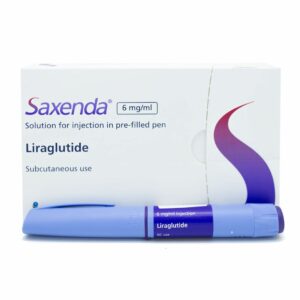
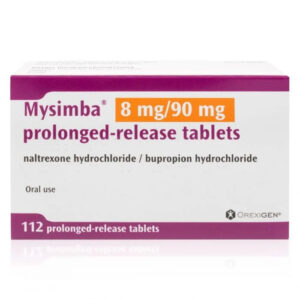
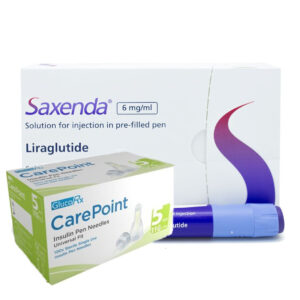
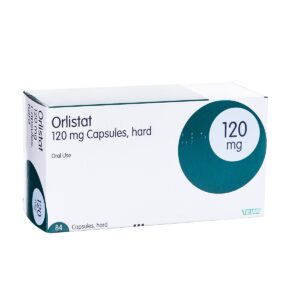
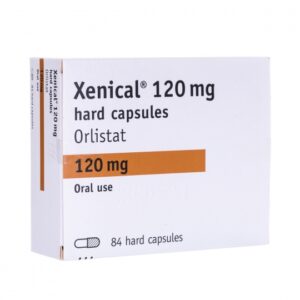
    • Weight loss pills: Prescription medications like orlistat (Alli, Xenical), phentermine-topiramate (Qsymia), and liraglutide (Saxenda) that help reduce appetite, increase feelings of fullness, or block fat absorption.
    • Weight loss prescriptions: Medications prescribed by healthcare providers tailored to your specific needs and health conditions.
    • Behavioral therapy: Counseling to address emotional and psychological aspects of weight loss, including developing healthy eating habits and coping strategies.
    • Surgical options: In severe cases, bariatric surgery may be recommended, but it typically requires a comprehensive evaluation and is considered a last resort.
  • Prevention Strategies

    Preventing weight gain and maintaining a healthy weight involves a combination of lifestyle changes and medical support. Effective prevention strategies include:

    • Healthy diet: Focus on a balanced diet rich in fruits, vegetables, lean proteins, and whole grains while limiting processed foods, sugary drinks, and high-fat foods.
    • Regular physical activity: Engage in at least 150 minutes of moderate-intensity aerobic activity or 75 minutes of vigorous-intensity activity per week, along with muscle-strengthening exercises.
    • Behavioral changes: Develop healthy eating habits, manage stress, and get adequate sleep to support weight management.
    • Monitoring progress: Keep track of your weight, dietary habits, and physical activity to stay motivated and make necessary adjustments.
    • Medical support: Regular follow-ups with your healthcare provider to monitor your progress and make any necessary changes to your treatment plan.